

atmosfair news october 2026
Dear Readers
CENA Hessen’s new report on renewable aviation kerosene was published recently. The Hessian Government’s Centre of Excellence for Air Transport conducts an annual review of trends in e-kerosene production in Germany, the EU and worldwide, comparing them, among other things, with the EU’s legal requirements. The 2026 report paints a worrying picture: Germany and Europe are falling behind, with many power-to-liquid kerosene projects being cancelled, halted or significantly scaled back. The EU will not be able to meet its target of covering approximately 1 per cent of its aircraft kerosene demand with e-kerosene by 2030 on its own.
At atmosfair, we can confirm this first-hand. Our own e-kerosene plant in Werlte, northern Germany, which was inaugurated in 2021 when commissioning began, has terminated operations. The core technology is not working. As a result, since its opening – as previously reported in 2024 – the plant has been able to produce only a total of less than 10 tons of synthetic crude kerosene, rather than the initially announced several hundred tons annually. Moreover, these few tons have predominantly been produced only in a simplified mode that does not correspond to the actual operating mode. And since we have been repeatedly confronted by third parties: the Werlte site, with its hydrogen and CO₂ infrastructure, was well chosen and technically well suited. With the exception of a few days, we were able to supply the technology manufacturer with all feedstocks, such as hydrogen and carbon dioxide, in the required quantities and quality. Two independent technical consultancy firms, with the participation of the technology manufacturer, drew up expert reports, which resulted in us withdrawing from the contract with the manufacturer with a compensation for damages. The manufacturer has since dismantled its plant in Werlte. The problem in Werlte was not a lack of political support or unfavourable framework conditions – which CENA cites in its report as the cause of the sector’s disappointing development – but the power-to-liquid technology itself. We are now considering further legal action against the manufacturer and will provide further updates.
What is happening here? Why isn’t it working out like the German “solar wonder”, which began in the early 2000s with the Renewable Energy Sources Act and systematically turned solar energy into a cornerstone of energy systems, not just in Germany? Surely the political will is there for e-kerosene as well?
But political will alone does not craft new technology. The first photovoltaic cells were already working back then and generating electricity, albeit at a high cost. With e-kerosene, on the other hand, there are still various technical routes and associated challenges. All involve the intermediate product synthesis gas, but this can be produced in very different ways from a technical perspective. One route uses hydrogen and a so-called RWGS (Reverse Water-Gas Shift Reaction), which converts CO₂ into the required carbon monoxide. This faces technical challenges in practice. Another route, by contrast, first produces methanol from the synthesis gas – which is straightforward – and then, in a complex step, produces kerosene from the methanol. The second step has just been approved internationally by the relevant body, the ASTM (American Society for Testing and Materials), and the first production plants for this process have yet to be built.
These technological hurdles are a major obstacle to progress because there is already a chicken-and-egg problem: investors are only willing to invest once the industry has decided on the best approach and the technology is working and has reached maturity. However, the technology only matures once many plants have been operating for many hours. Yet banks will only grant loans once the plants are up and running. This does not add up.
Policy makers tried too much at once here: back then, there was a fixed, long-term feed-in-tariff for photovoltaics per kilowatt-hour generated. This allowed every investor to calculate and execute their investment with certainty. It was only later that the legislature switched to a system of bidding and mandated solar quotas, in which the feed-in tariff became variable and thus more cost-effective, albeit more uncertain. But by then, the technology was already mature, and the industry had gained sufficient experience in dealing with it.
In the case of e-kerosene, however, policymakers have bypassed fixed feed-in-tariffs and moved straight to mandated quotas, partly in the hope of saving costs. This in turn makes it rational for the big oil companies to paying penalties for missing quotas and wait to see which technology works and ultimately prevails, thereby avoiding billions in stranded investments. Ultimately, however, this slows down development considerably.
At atmosfair, we are now focusing on the methanol route because methanol can be produced locally and on a small scale in developing counties, while at the same time remaining relatively straightforward from a technical perspective. The technologically complex and capital-intensive step from methanol to kerosene can then initially take place in industrialized countries. This is because many developing countries offer excellent resources in the form of hydrogen and CO₂ from waste biomass and are therefore ideally placed for methanol production, without harming their own national development. On the contrary, this can enable these countries to benefit financially from the upcoming global market for e-kerosene while also contributing to climate mitigation. With this in mind, we have already investigated potential sites in Kenya, Ethiopia and other countries and are striving to pilot a project as soon as possible.
Incidentally, another technological pathway was barely mentioned in the CENA report, in which the synthesis gas for synthetic crude kerosene is produced directly from gasified biomass residues. This approach, however, has great potential, as it uses waste such as cashew or coconut shells, which are abundant in the Global South. We investigated this last year in a study in collaboration with the IFEU Institute. Together with partners, we have already produced over 100 litres of crude kerosene using this method at a plant in Vienna and converted it into fully operational and certified kerosene for commercial aircraft. It is a small quantity, but it is already sufficient for a blend of around 5 per cent on a short-haul passenger flight.
Latest news from Brazil: atmosfair is partnering with a local company, which uses municipal waste as feedstock for energy production, potentially also for green methanol. And in the same country, we now support a pilot project from InPlanet for direct air capture of CO₂ from ground rock dust, please see the links below.
I hope you enjoy reading!
Kind regards,
Dietrich Brockhagen
Managing Director, atmosfair
P.S.: atmosfair is growing and looking for passionate people with technical backgrounds to join our global climate projects. Interested? You can find our current job openings at atmosfair and Solarbelt here.
Environmentally Sustainable Aviation Fuels – Produced in the Global South
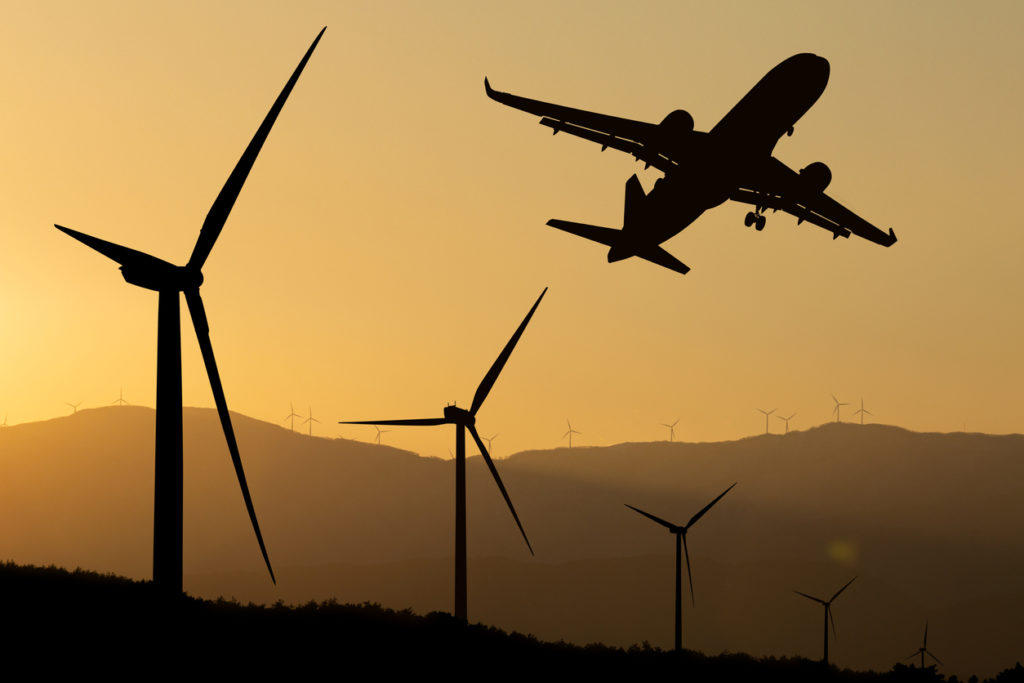
One of the most important ways to reduce the climate impact of air travel is Sustainable Aviation Fuels. But how “sustainable” are they really? And which types of these fuels are particularly well suited to production in countries of the Global South?
Project news:
atmosfair removes CO₂ from the atmosphere using rock dust
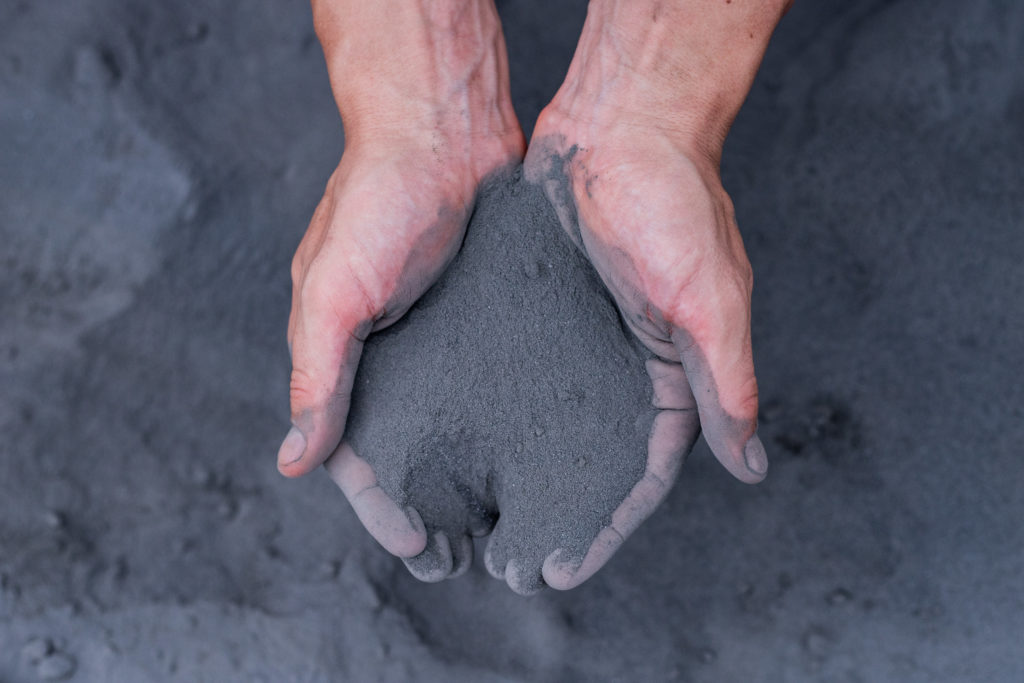
When it comes to negative emissions, we are now breaking new ground: in Brazil, we are supporting the start-up InPlanet. It has developed an innovative method for removing carbon dioxide from the atmosphere. We explain exactly how this works and why citrus fruits can benefit from this, too.
Brazil: green electricity from landfill gas
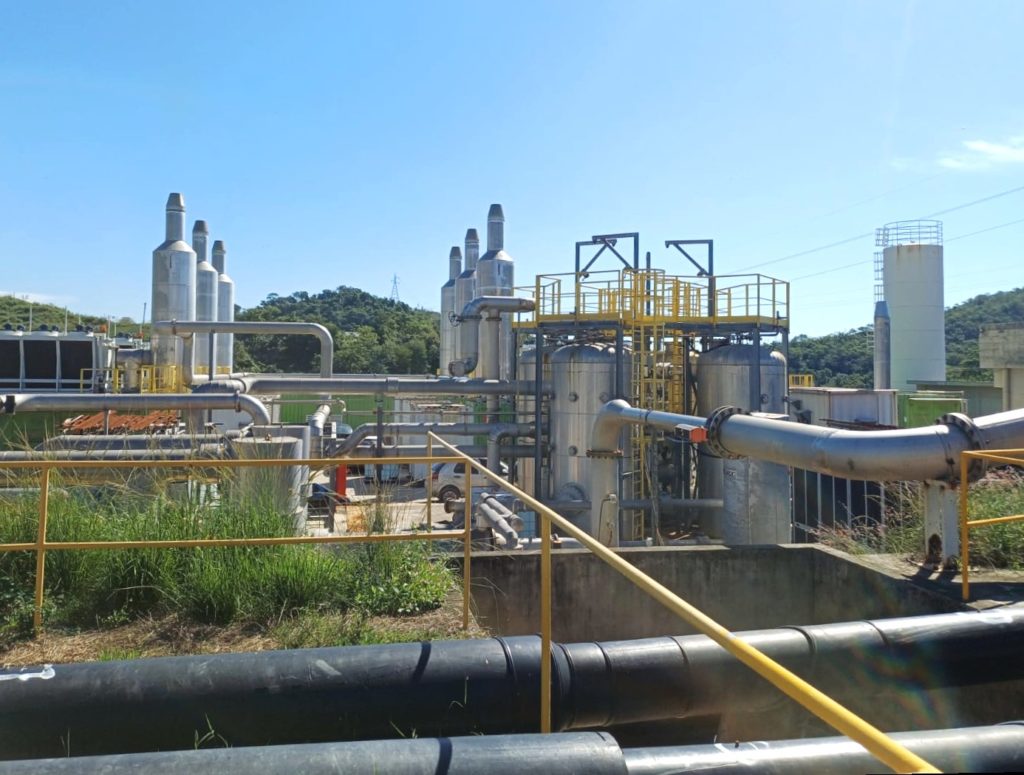
Deep within a landfill site on the outskirts of Rio de Janeiro, large quantities of methane are being produced. The waste management company Orizon is now harnessing this climate-damaging gas to generate electricity. And they want to go one step further with us.
 Share
Share