

atmosfair news June 2026
Dear readers
atmosfair is in the final stages of adapting its climate action projects to the new UN rules for offsetting projects. The new UN standard, known as the Paris Agreement Crediting Mechanism (PACM), introduces a number of changes designed to ensure greater environmental integrity and prevent the misuse of offsetting projects. At the end of last year, the EU decided that the final percentage points of its long-term climate targets could also be achieved through such offsetting projects, with Germany leading the way. The first UN rules for the certification and crediting of these offsetting projects are now in place. Under the new rules, projects are assessed and evaluated much more rigorously than before. From a climate perspective, this means the UN process is moving in the right direction.
In a separate article, we will take a closer look at all the changes introduced under the new regulatory framework compared with the previous one. Some NGOs are concerned that, during the ongoing transition, projects that do not fully meet the PACM requirements could nevertheless be approved. However, it is still too early to assess whether this will be the case.
New quality for voluntary CO₂ offsetting by companies
From the outset, atmosfair has been actively involved in this process and has registered its key projects for the transition to the PACM. The new UN requirements are substantial. One of the most important is that the host country must not only approve our projects but is also no longer permitted to count the CO₂ mitigations towards its own climate target, thereby preventing double counting. To meet this requirement, atmosfair has been actively negotiating with the relevant governments over the past few years and has made extensive commitments in the process. The result is a win for all parties involved: the project countries receive additional funding and technology for their programmes, atmosfair obtains CO₂ credits that comply with the new UN standards, and the climate benefits from many additional tonnes of CO₂ reductions that would previously have been double-counted.
This is because the PACM introduces a new standard for voluntary corporate CO₂ offsetting. When applied correctly, the CO₂ reductions achieved by our projects are no longer merely “additional” in the sense that the project would not have taken place without our support. Instead, under the new PACM rules, these CO₂ reductions belong to no one but the climate: the host country is no longer permitted to count them towards its own climate target. Nor may an investing company – for example, a European company – use them to offset its statutory CO₂ reduction obligations, which it is required to meet through its own emission reductions. The CO₂ reductions generated by the project still occur physically and therefore benefit the global climate, on top of and beyond all countries’ existing climate action targets. This fundamentally redefines voluntary CO₂ offsetting and establishes it as a fully fledged climate action instrument. According to Stiftung Warentest, atmosfair is the only provider of voluntary CO₂ offsetting based on this new model. We hope that companies seeking to deliver meaningful climate action beyond their legal obligations will consider this new approach when making future climate commitments.
The example Nigeria: transfer of high- and low-tech
One example of our negotiations with the governments of project countries is Nigeria. The country recently registered at the UN as a host country for climate action projects under the PACM. We spent a year and a half negotiating with the Nigerian government to ensure that it would transfer the CO₂ mitigation generated by our Save 80 stoves to us. To secure this agreement, we needed to offer Nigeria more than climate action alone. We manufacture all our efficient stoves at our own factory in the north of the country, creating more than one hundred local jobs and training opportunities. Looking ahead, Save 80 stoves are expected to save not just 80 per cent, but 100 per cent of the firewood previously used. To achieve this, we are equipping villages with machines that compress agricultural residues into pellets for use as stove fuel. This enables people to turn crop waste into an alternative to expensive firewood, eliminating their dependence on the endangered tree populations of the arid Sahel region as an energy source.
Tangible added value for people, alongside climate action
In the north of the country, alongside the efficient stoves, we are now funding solar-powered public wells and drinking troughs that provide drinking water for local communities and their livestock. In addition, drawing on German expertise and technology, we have developed a proposal to help this West African country establish its own hydrogen production, which is needed to decarbonise its gas and oil sector.
Our new biogas plants in Ghana, which provide communities with affordable cooking gas, and our new biochar production project in South Africa, which improves soil fertility, demonstrate the added value that climate protection projects can deliver beyond reducing emissions.
Avoiding contrails, contributor to climate change
Many campers are familiar with this phenomenon: during hot summer weather, even a few persistent contrails spreading across the evening sky can prevent temperatures from falling much overnight. These man-made clouds can trap more heat radiation from the Earth at night than they block from the sun during the day, resulting in a net warming effect on the climate. Read our background article to learn how researchers and policymakers are working to address the issue of contrails.
Progress is also being made in the production of climate-compatible aviation fuel. atmosfair’s partner BEST in Vienna has successfully produced kerosene from cashew shell waste sourced from Ivory Coast – creating a carbon neutral fuel from agricultural waste, with no conflict between food and fuel.
I hope you enjoy reading!
Kind regards,
Dietrich Brockhagen
Managing Director, atmosfair
Background:
Paris Agreement Crediting Mechanism: New confidence in UN offsetting?
The previous UN rules on climate action projects had attracted some criticism. The Paris Agreement is now being implemented through new rules on carbon offsetting. We have taken a closer look at them.
Contrails – how to avoid these underestimated contributors to climate change

When it comes to the climate impact of aeroplanes, the focus is usually on CO₂. However, contrails can have an even greater warming effect on the atmosphere. The good news: they can be avoided relatively easily. We’ll show you how.
Project News:
Climate-friendly cooking in Ghana: pilot plant turns waste into biogas
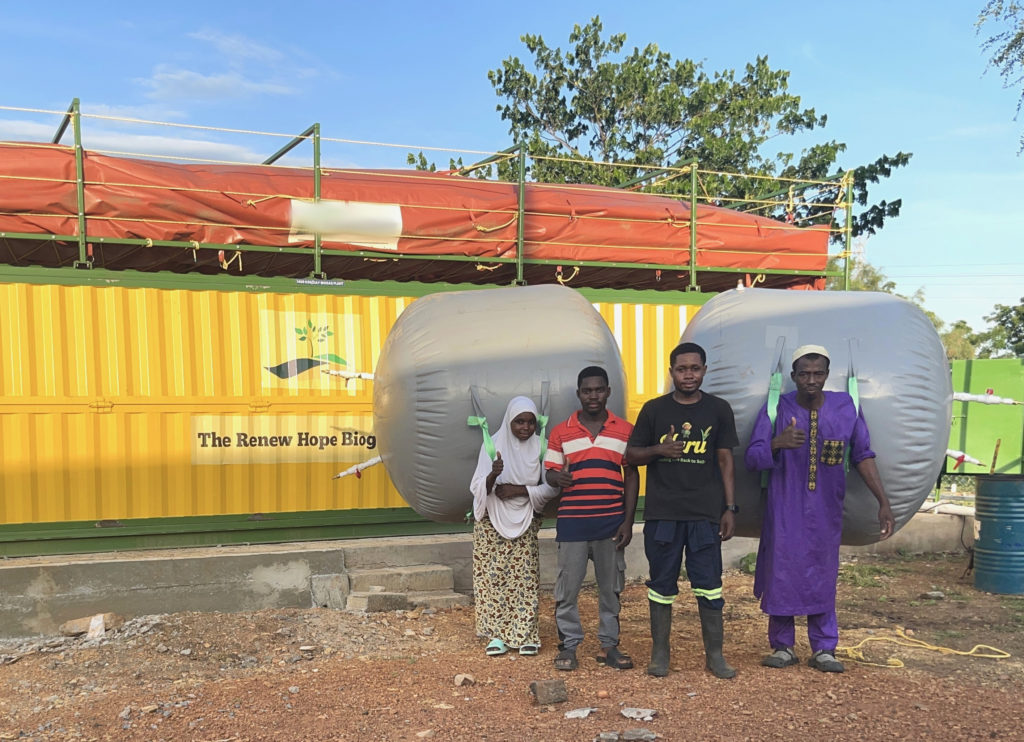
Organic waste is a valuable source of energy and organic fertiliser. That is why we are now commissioning a new type of plant in Ghana that fits inside a container. Not only does it recycle waste, but it also helps remove a troublesome pest from waterways.
First kerosene produced from cashew shells
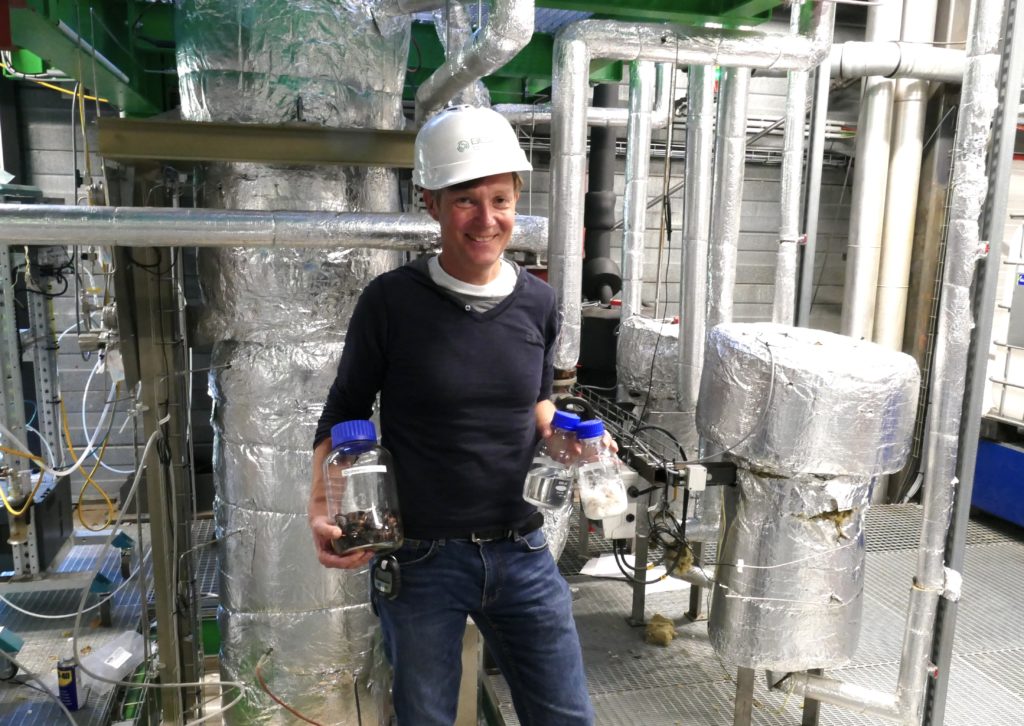
Both climate action and potential blockades of the Strait of Hormuz highlight the need for alternatives to fossil-based kerosene. Now, for the first time, scientists have succeeded in converting cashew shells into kerosene. We explain how it works.
South Africa: Fertiliser from Palette Residues
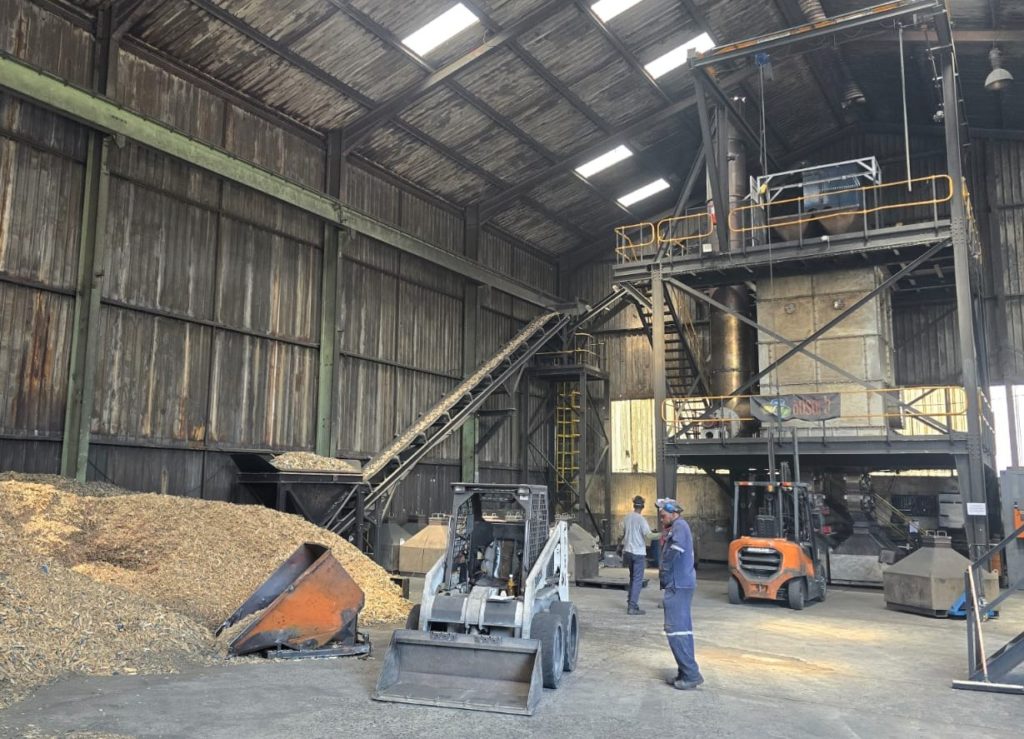
Repairing pallets generates tonnes of wood waste. Our partner company, AquaGel, transforms this into biochar, which permanently sequesters carbon in the soil. To do this, it adds a novel ingredient that provides additional protection for the climate.
 Share
Share