
atmosfair news September 2026
Dear readers
The devastating forest fires in France reached new heights this summer: their plumes of smoke rose to a height of ten kilometres – so vast that thunderstorms even formed within them. 200,000 people were forced to evacuate the area around Bordeaux, and it took assistance from eight EU countries to bring the severe fires under control. This summer was thus part of a new reality: last year, fires destroyed over a million hectares of vegetation in the EU, almost twice the average over the last two decades. In Germany, three times as much forest was burnt as the annual average since 1990. These fires do not merely destroy habitats and biodiversity. When trees burn, the carbon they have stored is released back into the atmosphere.
In developing countries, too, where we run our climate action projects, forests are under threat – though less so from fires and more from the expansion of arable and pasture land. In many regions there, forests also remain important sources of fuel to this day.
The EU is introducing afforestation programmes
In the wake of the wildfires, forest conservation has once again become a topical issue. The EU has now taken action. As part of the Green Deal, it aims to plant three billion additional trees by 2030. The European Regional Development Fund (ERDF) is providing funding for this. However, planters would need to take the initiative themselves, and with just 40 million trees planted so far, the target is likely to be missed by a wide margin.
The European Commission now aims at mobilising additional private funding for afforestation through the voluntary carbon market. Through the Carbon Removals and Carbon Farming (CRCF) Regulation, the European Commission is enabling landowners to have afforestation projects on their land certified as CO₂ sinks. This means that farmers can receive money from companies that purchase these certificates as a voluntary climate action measure. But how is the EU addressing the risk that the planted trees might one day burn down and release the sequestered CO₂ back into the atmosphere?
Hedging afforestation certificates is becoming increasingly difficult
The new methodology for carbon farming certificates, published by the European Commission this July, takes this aspect into account. For example, the CO₂ credits that farmers can receive for planting trees are valid for only five years. After that, a reassessment must be carried out to check whether the trees are still standing. In addition, a buffer of additional credits must be built up, or the forest stands must be insured. However, a study by the University of Utah concluded that the buffers in the US were designed to be far too small: on average, six times more trees were lost than originally expected. And the risk of forest fires has risen so sharply in recent years that it is becoming increasingly difficult to insure afforestation projects adequately.
On the other hand, the question arises as to whether afforestation certificates under the CRCF Regulation are attractive to companies if they have to be renewed every five years. Experience with the United Nations’ Clean Development Mechanism (CDM), which has now expired, shows that this regulation turns the certificates into slow-moving stock; under the same five-year rule, there was hardly any demand for them. For these reasons, we do not consider these CO₂ credits to be suitable for restoring destroyed forests in Europe, although we welcome government reforestation programmes.
atmosfair does not engage in forestry projects
That is why, at atmosfair, we continue to avoid direct afforestation or forest conservation projects and only certify negative emissions in our climate action projects if they demonstrably sequester CO₂ permanently in the soil for many centuries. We achieve this, among other methods, by pyrolysing biochar from biomass residues and incorporating it into the soil, where it stores nutrients and water, thereby improving soil quality.
However, many of our projects protect forest cover by reducing the demand for fuelwood, such as our small-scale biogas plants for farms in Nepal and our efficient Save 80 stoves. We are now distributing them in an increasing number of African countries, and more recently also in the poorest regions of Mozambique.
In Malawi, too, natural forest cover is under threat, partly due to brick production to meet the needs of a growing population. This is where we are making a difference: in June, our first efficient brick kiln went into operation. You can read more about this and our new biogas projects in this newsletter.
I hope you enjoy reading!
Kind regards,
Dietrich Brockhagen
Managing Director, atmosfair
P.S.: atmosfair is growing and looking for passionate people with technical backgrounds to join our global climate projects. Interested? You can find our current job openings at atmosfair and Solarbelt here.
Project News:
Our first climate-friendly brick kiln is going into operation
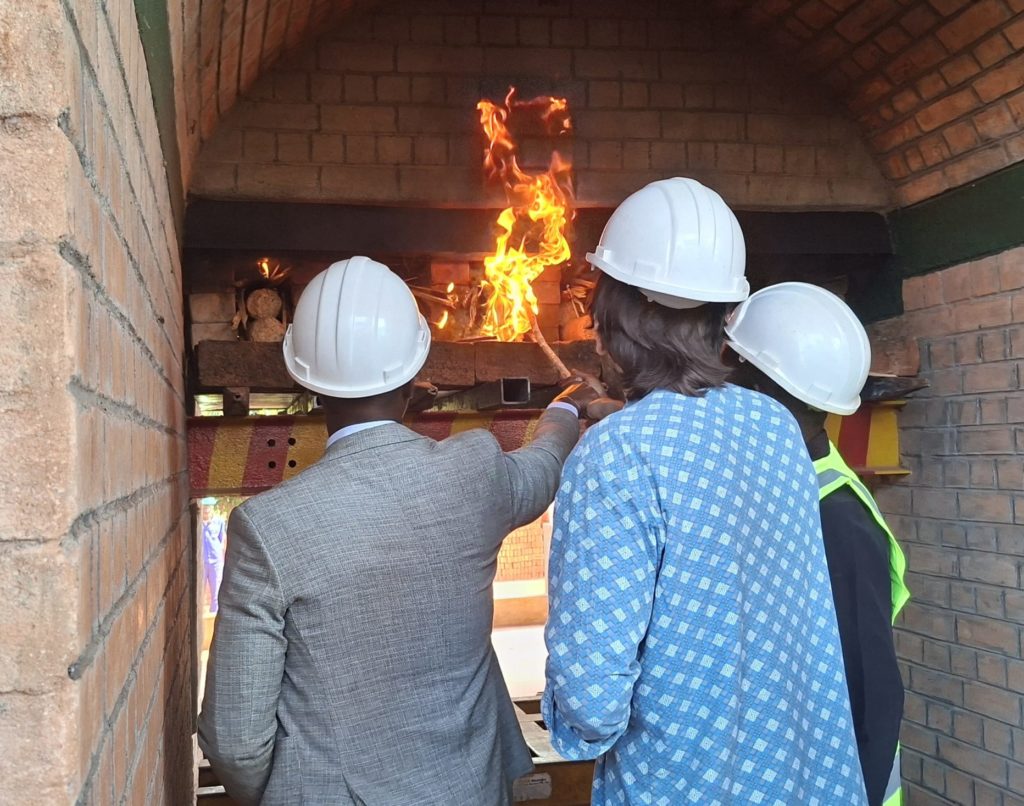
Malawi’s population is growing – and people need building materials for their homes. Our new Vertical Shaft Brick Kiln (VSBK) fires bricks using significantly less fuel than before. We have also found a substitute for the wood we used to use.
atmosfair is expanding the distribution of Save 80 in Mozambique
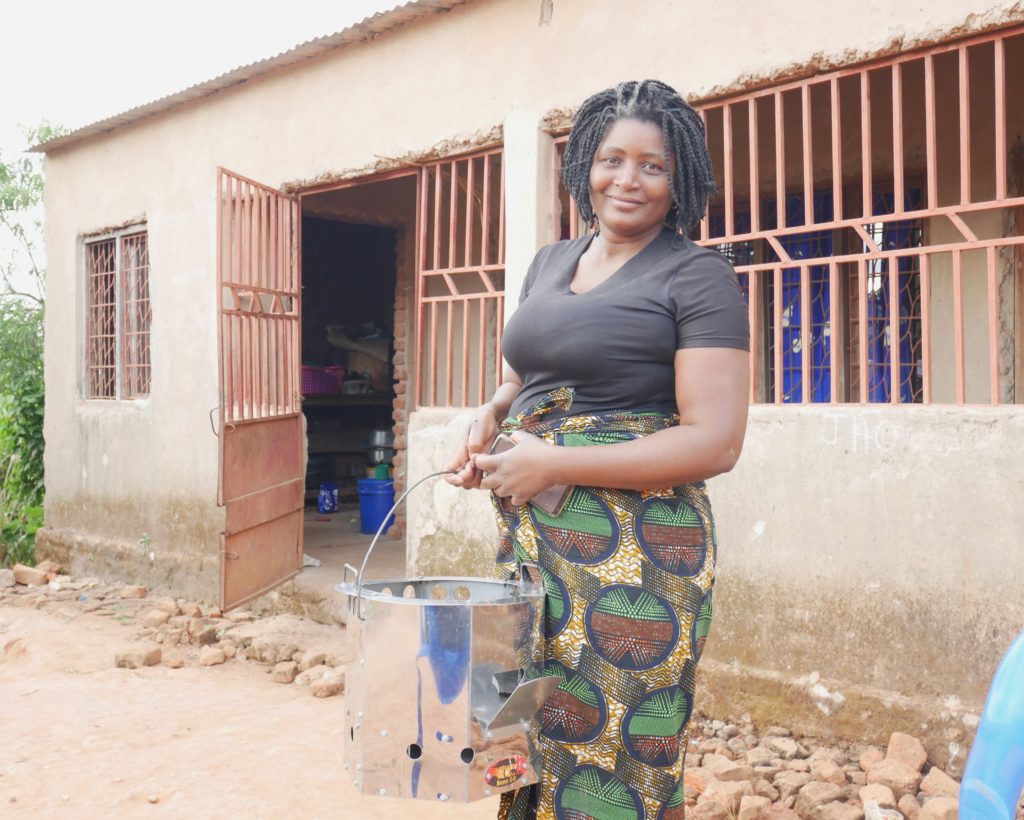
The trial in Niassa Province proved successful: many families there chose to cook using an efficient stove. We are therefore expanding distribution in the north of the country, where the Save 80 is particularly beneficial to people.
Brazil: green electricity from landfill gas
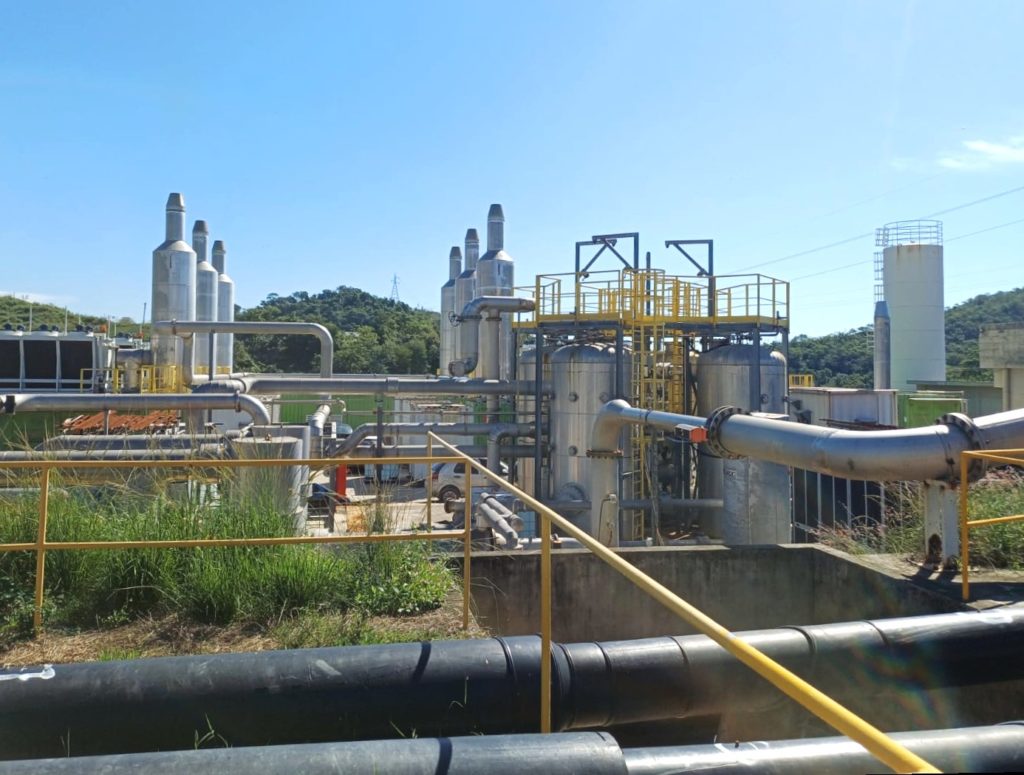
Deep within a landfill on the outskirts of Rio de Janeiro, large quantities of methane are being formed. The Brazilian company Orizon is now generating electricity with it – and is taking things a step further with us.
Philippines: local stakeholders give their views on biogas plants
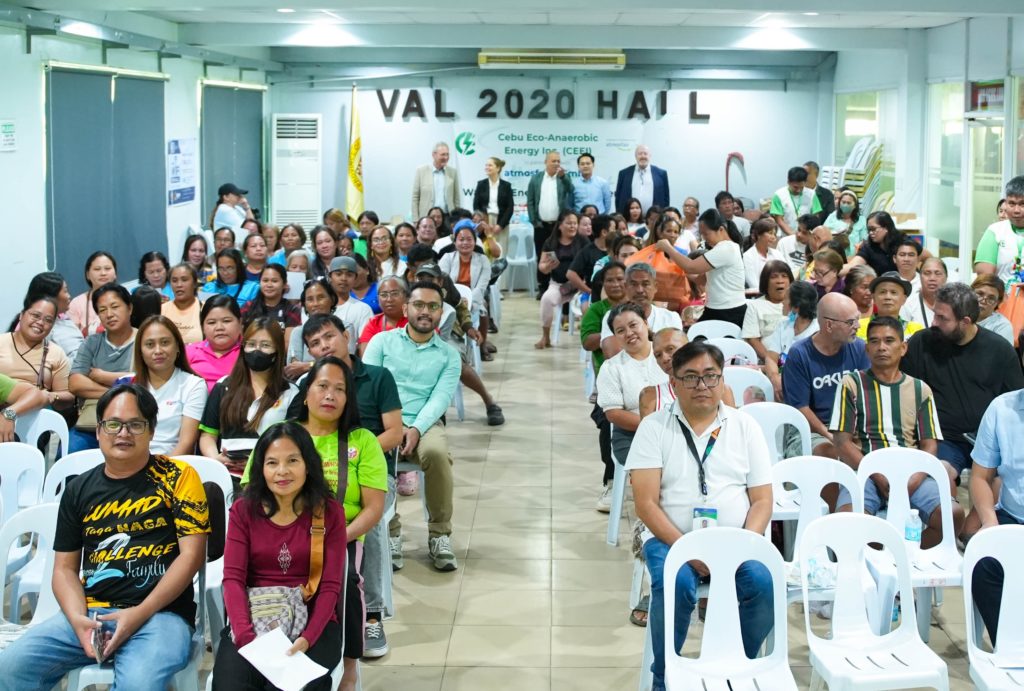
atmosfair is committed to ensuring that people in the Global South also benefit from climate action projects. For this reason, all stakeholders must be involved in the planning process. This is how we ensured this in the Philippines:
 Share
Share