

atmosfair is expanding distribution of its Save 80 cookstoves into Nampula province, following a successful pilot in neighbouring Niassa. The pilot in Niassa has demonstrated strong demand and product suitability, with households steadily adopting the stove and reducing their firewood use. That is why we are expanding distribution in the north of the country.
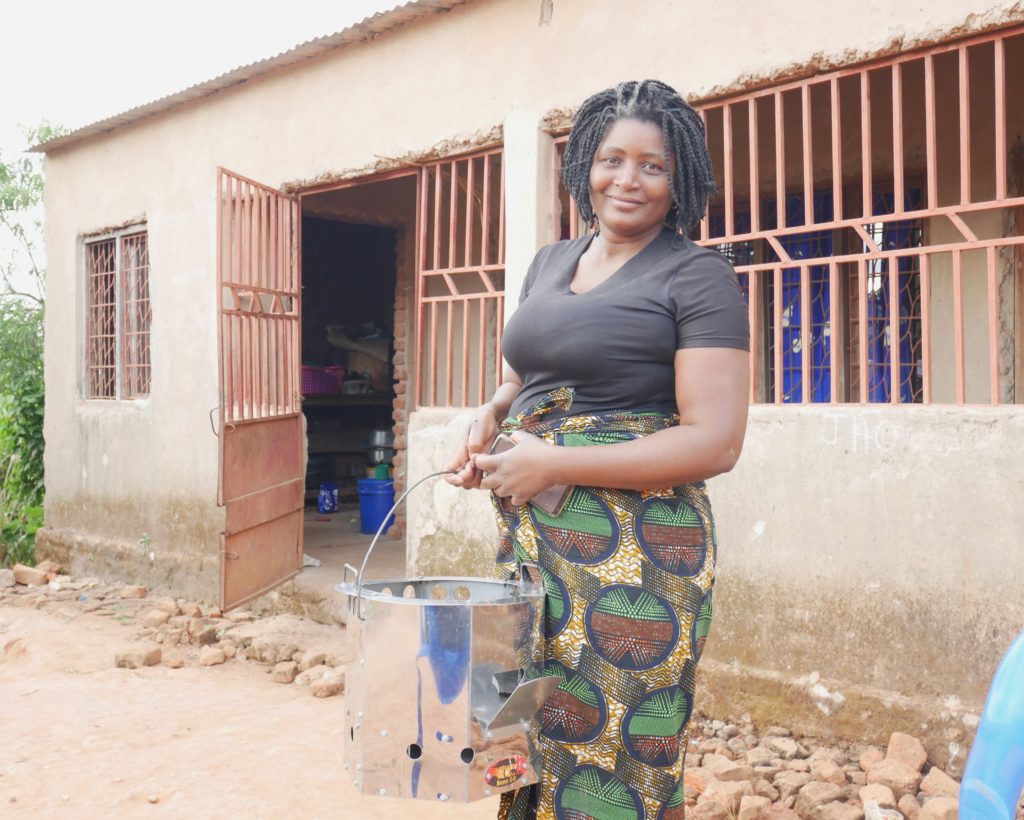
In Nampula, atmosfair is partnering with AMPCM, an umbrella organisation representing more than 300 agricultural cooperatives in Mozambique. Working directly with rural communities, AMPCM will now use its network to sell 2,300 Save 80 stoves to smallholder farmers. Its Executive Director, Lourenço Moio, is convinced that the Save 80 is the right choice for Nampula: “It is more than just a cooking tool. It is a practical solution that improves daily life, saves money, protects health and supports sustainable development in my area.”
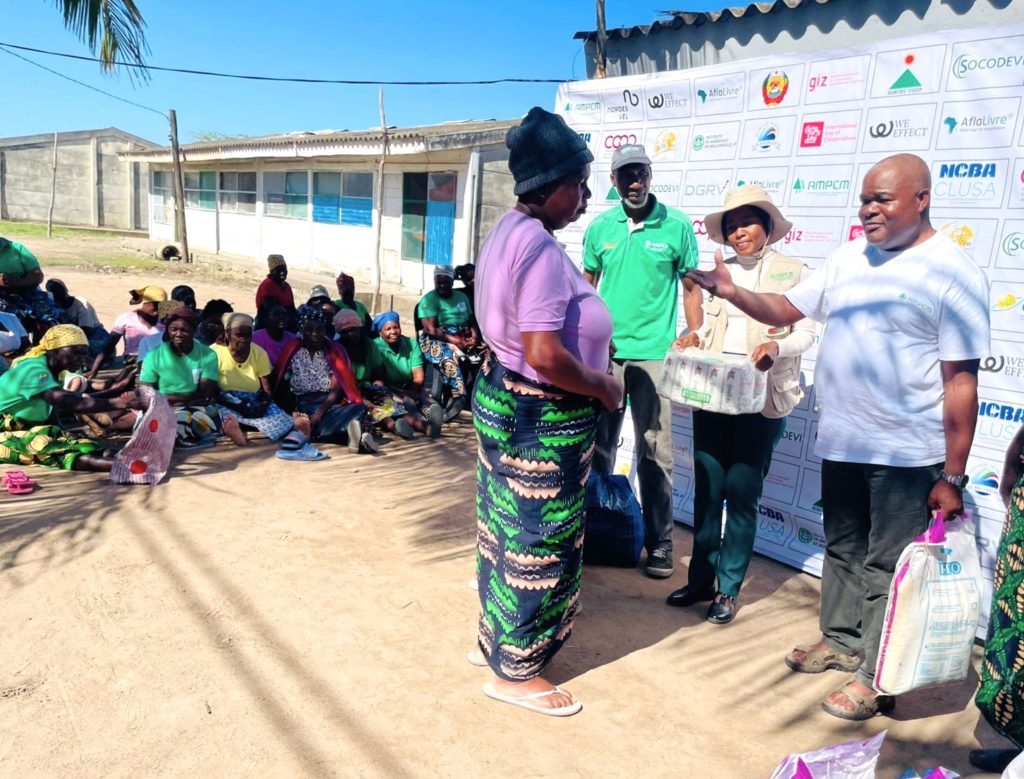
atmosfair had previously gained first-hand insight into AMPCM’s logistical capabilities when the climate action organisation funded food and other relief supplies for flood victims. AMPCM distributed the supplies to families in Gaza Province who had been forced to leave their homes due to flooding. In doing so, atmosfair has supported people who are already suffering particularly severely from climate change. In January 2026, a total of 500,000 people were affected by the floods in this country on the Indian Ocean.
The Save 80 expansion into Nampula province builds on the pilot project learnings in Niassa, where atmosfair in collaboration with the engineering firm StructCon has been distributing the Save80 since October 2025. Staff members from their environmental department have managed to distribute more than 250 stoves to the target communities. The partnership will continue as operations expand into new districts of Niassa. “We decided to distribute the Save 80 stove because it reduces fuelwood demand while fitting local cooking practices. Users also value the Wonderbox, which keeps food warm after cooking. These features help households save both time and resources,” Custodio Matavel of StructCon explains his motivation for collaborating with atmosfair.
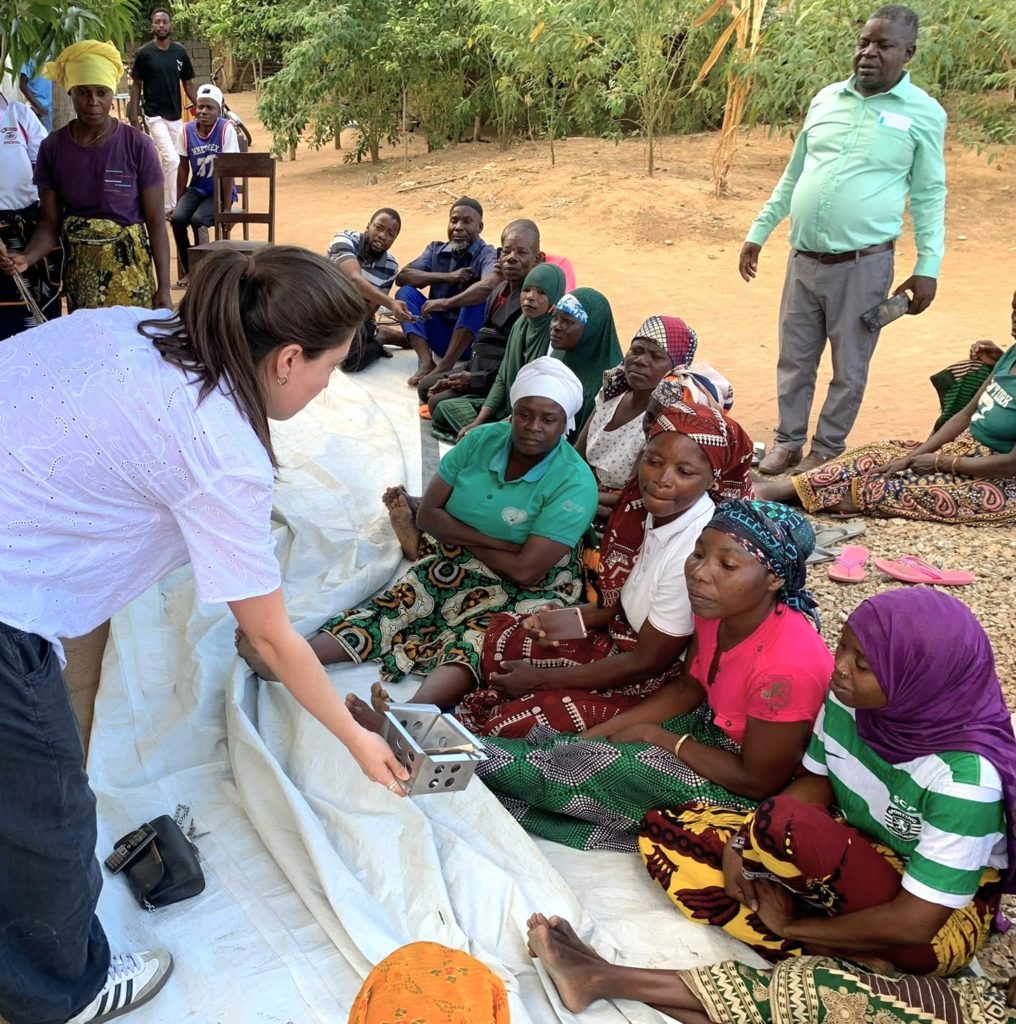
Efficient stoves in the poorest province
atmosfair project manager Emily Dundon explains why Niassa was decided for the pilot: “Across our Save 80 projects in Sub-Saharan Africa, atmosfair is consistently targeting the areas other programmes overlook. Niassa’s poverty rate is the highest in Mozambique, and it remains one of the provinces where basic infrastructure and services are hardest to access. That’s exactly where a programme like the Save 80 makes the biggest difference.” The need for improved cooking solution is clear, 95 per cent of the population in Mozambique rely on biomass such as firewood for cooking. Many of these communities also collect this required firewood which is not just time-consuming but particularly in Niassa collecting can be dangerous. There are countless cases of accidents involving encounters with wild animals.
The impact of the Save 80 is significant, dependence on fuel can be reduced because the Save 80 stove requires only 20 per cent of the firewood previously needed for cooking. To date, atmosfair has been manufacturing the individual parts for the stoves at its own factory in Kigali, the capital of Rwanda. The components are then transported to Mozambique, where the distribution partners assemble them into finished stoves on site. However, transport by land increases the cost of the cookstoves. Looking ahead, atmosfair aims to manufacture the Save 80 entirely within Mozambique, creating benefits beyond the household firewood reduction but also in job creation.
 Share
Share