

We are now supporting InPlanet, a start-up using an innovative technology in Brazil that benefits both agriculture and the climate. Finely ground basalt powder provides plants with essential nutrients – and reacts with carbon dioxide from the air, thereby permanently removing it from the atmosphere.
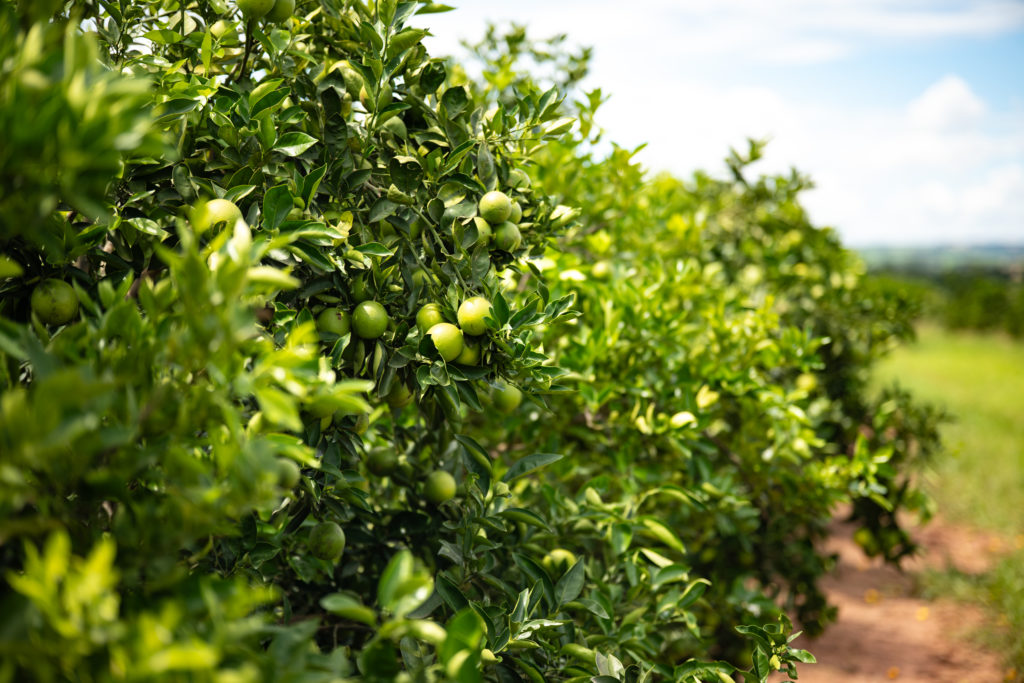
Citrus fruits are a key agricultural product in the state of Paraná in southern Brazil. However, there is a problem: 30 per cent of all citrus trees are affected by greening disease, which leads to quality degradation and ultimately, tree death. Plants can become more resistant to these pathogens if they receive specific nutrients. This is why 20 citrus farms in the region now source basalt rock dust from InPlanet. That company developed a new way of supplying plants with nutrients in order to reduce fertiliser use, thus making agriculture in Brazil more sustainable. When spread across the fields, rock dust provides the plants with calcium and magnesium. At the same time, the rock meal helps to achieve negative emissions.

Enhanced weathering as a climate action measure
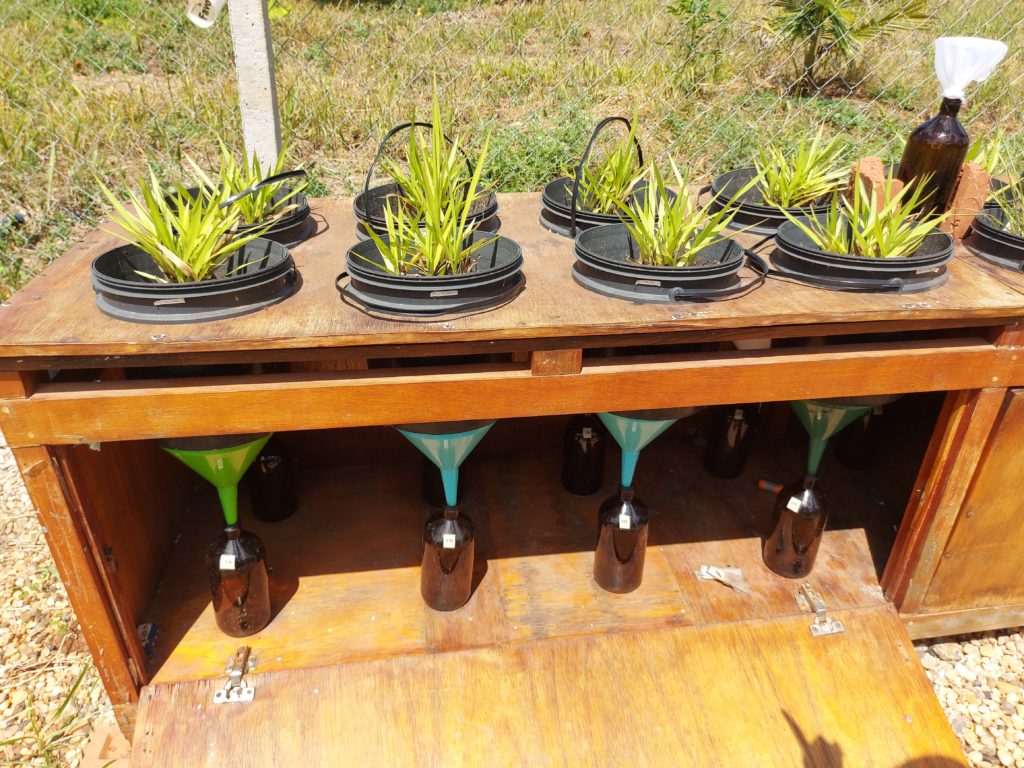
InPlanet’s concept impressed atmosfair project manager Constanza Terazzi during her visit to São Paulo. We therefore signed a cooperation agreement with the company. InPlanet provides the rock dust to farmers at a subsidised price and then monitors the weathering process using a comprehensive system backed by science. Independent auditors will verify the amounts of carbon removed every year. Companies will then be able to purchase these removal credits from atmosfair.
The basalt dust comes from residues of the aggregate industry in São Paolo and Paraná. When ground into very fine particles, the surface area in contact with the air increases, meaning that weathering processes happen much more quickly. They are one of the earth’s natural ways to regulate its temperature. In the process, the CO₂ from the air combines with rainwater and then reacts with the basalt powder. The CO₂ is bound in stable bicarbonates and transported by rivers into the ocean, where it remains for thousands of years. Due to its warm climate with heavy rainfall, Brazil is particularly well suited to enhanced weathering. Under these conditions, the process happens particularly rapidly.
The collaboration with InPlanet expands our range of negative emissions projects. To date, we have been removing carbon dioxide from the atmosphere using biochar and direct air capture (DAC).
 Share
Share