

The Vertical Shaft Brick Kiln (VSBK) operated by Nevags Building Constructors is now producing much-needed building materials in Malawi. Each year, it fires 2.5 million bricks using only waste from rice and tea production as fuel. This is the first of several brick kilns that atmosfair is supporting in Malawi and the second VSBK ever built in the country.
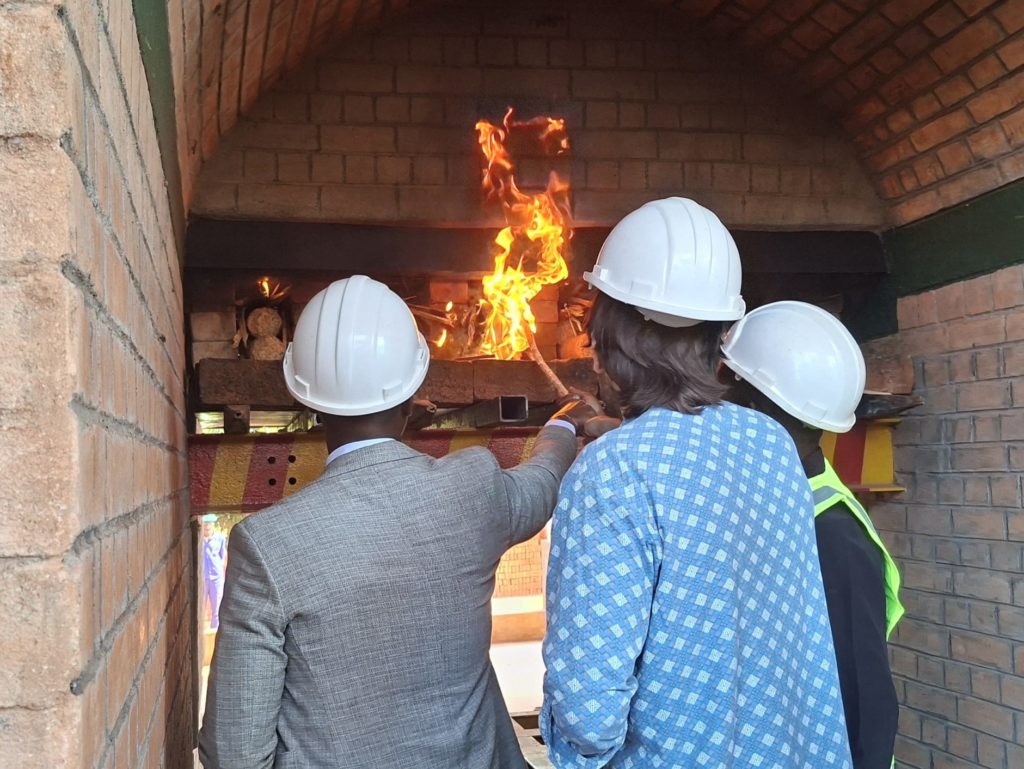
At the official opening ceremony in the town of Mulanje, Charles Nasala, Managing Director of Nevags Building Constructors, together with atmosfair Project Manager David Grüttner and Edgar Jehana, District Director of Planning, lit the fire in one of the VSBK’s two vertical shafts. This design is particularly efficient: “As the hot air travels through the tall vertical shaft, it fires around 8,000 bricks at the same time. Furthermore, the kiln is insulated with refractory bricks, ensuring that as little heat as possible escapes unused. Unlike traditional kilns, the VSBK requires less than half the energy and saves 1,200 tonnes of CO₂ per year,” explains Grüttner. This is equivalent to the annual carbon footprint of 170 average residents of Germany.
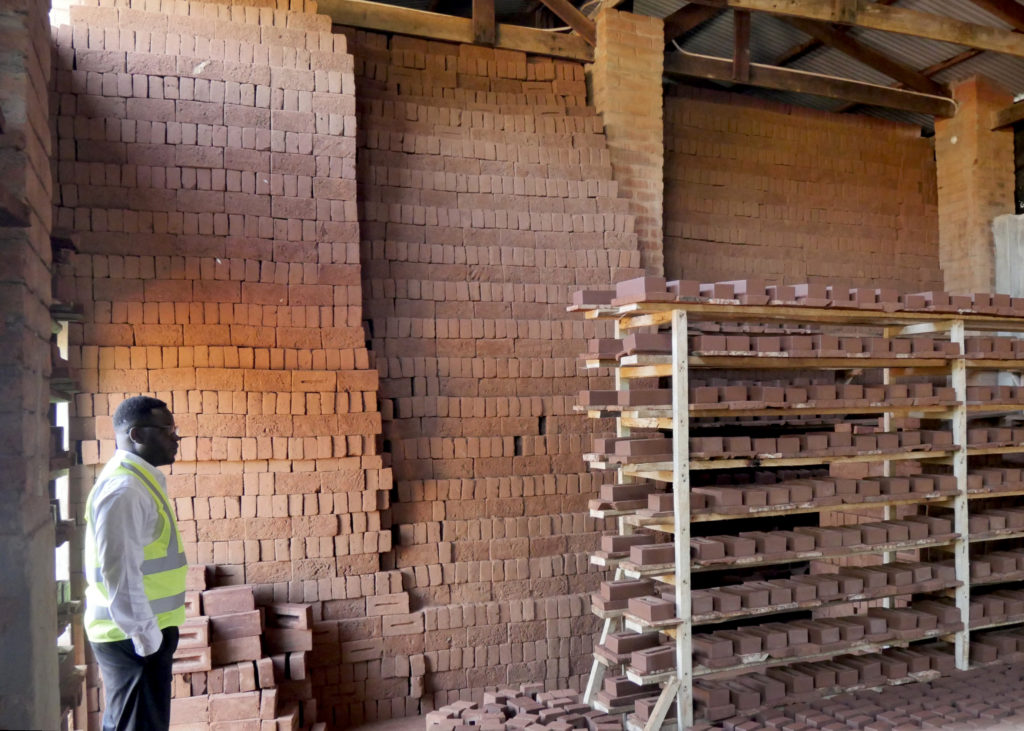
The VSBK creates jobs and protects forests
Thus, the efficient brick kiln contributes to climate action. This is why atmosfair is supporting it with a subsidised loan. Without this support, the kiln would not be realised now, as loans in Malawi are expensive due to the economic situation. In these circumstances, new jobs are particularly important: from the production of green bricks and the firing process itself to maintenance, the VSBK employs 40 people. A look at South Asia and South Africa shows that this technology will be economically self-sustaining in the longer term: the VSBK is already widely used there.
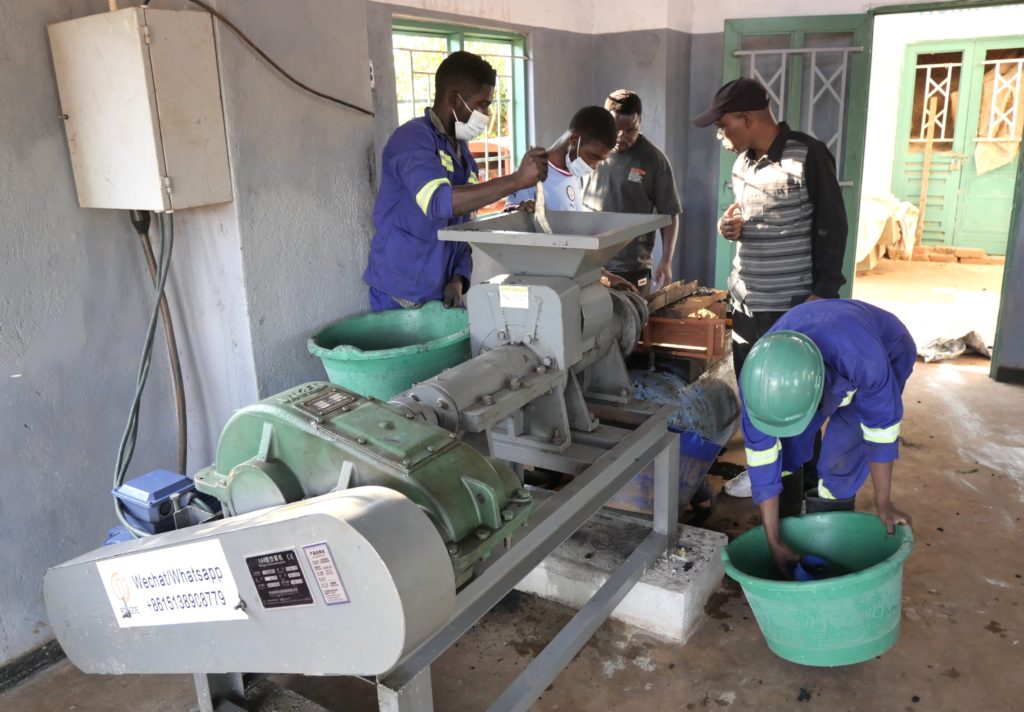
The fuel used in the VSBK is also environmentally friendly: “As opposed to the traditional brick kilns which use wood, this plant uses briquettes from organic residues. The idea is to eliminate the use of fuelwood because it contributes to the degradation of forest stands,” explains Nasala. Nevags intends to produce the briquettes itself from rice husks and tea leaf waste generated in rice mills and tea factories, respectively.
Building materials for a rapidly growing population
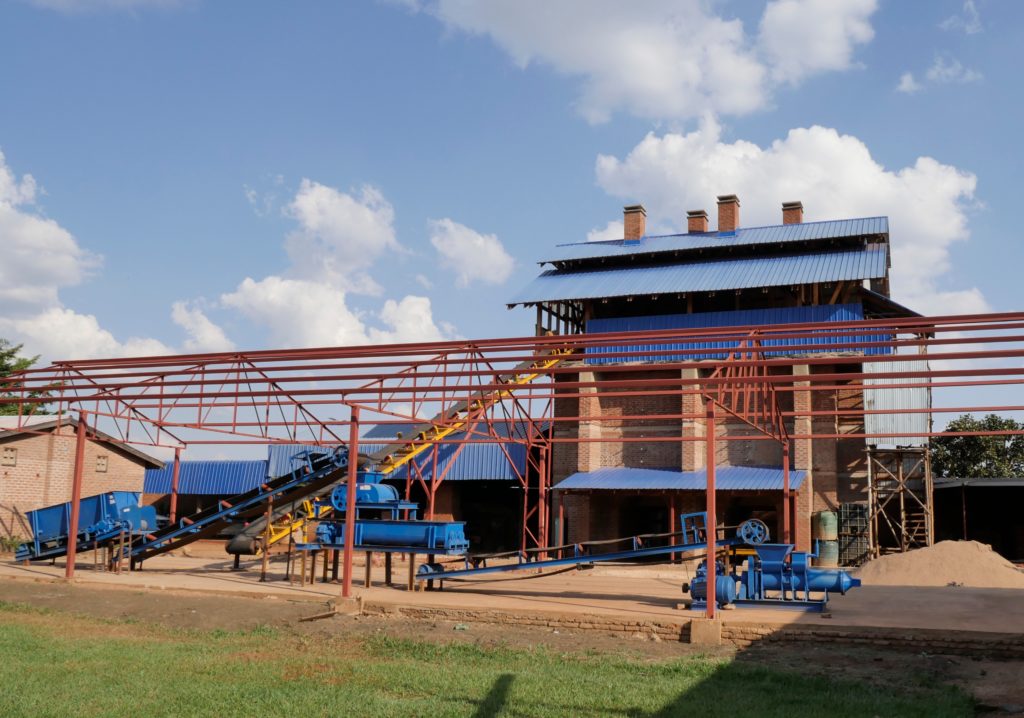
More than 300 kilometres further north, in Malawi’s capital Lilongwe, Grüttner visited a very similar kiln. This kiln is also supported by atmosfair and is due to start production in August. In front of the structure with its two shafts, a complete production line has been set up to mix and shape the material for raw bricks. This VSBK was commissioned by Dr Isidore Yama, Managing Director of Fayam Limited. He explains why bricks are so important for Malawi’s capital: “Lilongwe is growing faster than ever, and every new building represents hope, investment, and opportunity. Our mission at Fayam VSBK is to ensure that this growth is supported by premium-quality clay bricks manufactured with cleaner, fuel-efficient technology that benefits both people and the planet.” The even heat distribution within the kiln ensures more uniform and stable bricks than those produced in traditional kilns. This building material is particularly important in a country whose population has grown by four million over the last 10 years.
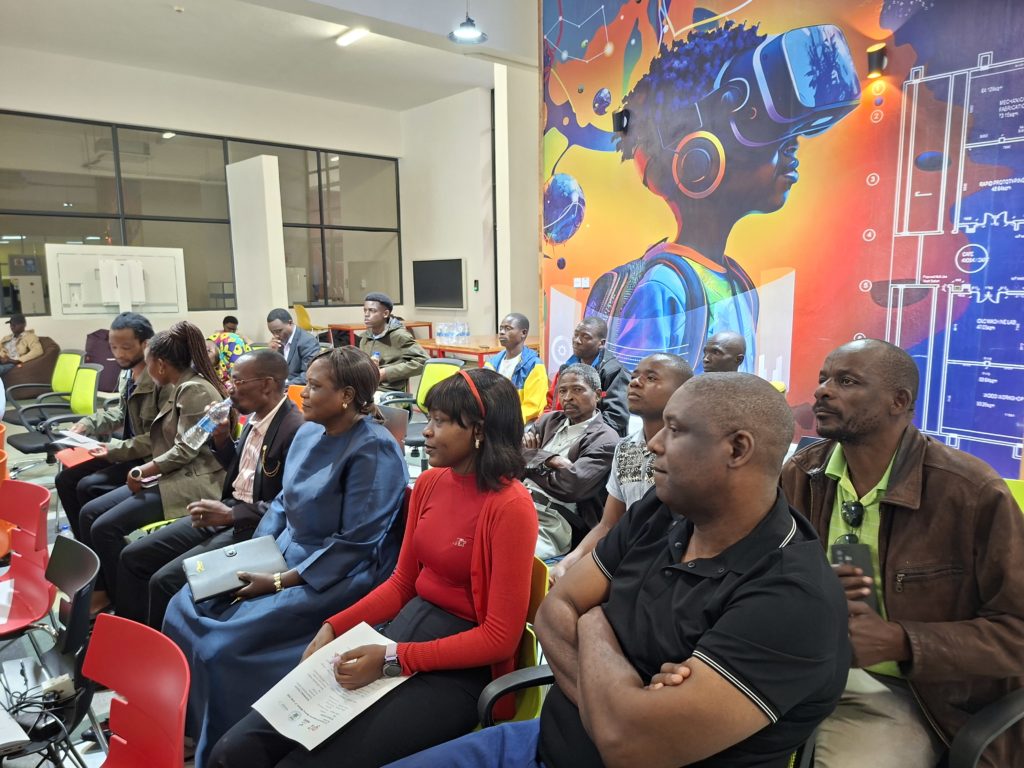
These two VSBKs will not be the only ones: two further kilns are planned in Blantyre and Lilongwe. To support this, atmosfair invited representatives from various stakeholder groups in both locations to Local Stakeholder Consultations (LSCs), where they were able to raise their questions and concerns. This includes MUBAS University, which will assess the quality of the bricks and the kiln designs. In both Lilongwe and Blantyre, the plans for efficient brick kilns were met with great interest. However, participants hoped for swift implementation and little red tape so that they could soon benefit from jobs and affordable building materials.
 Share
Share