

We have taken another step towards CO₂-neutral aviation fuel: in a pilot project, researchers have successfully produced kerosene from cashew shells. This lays the foundation for using woody, organic waste to make flying more climate-compatible.
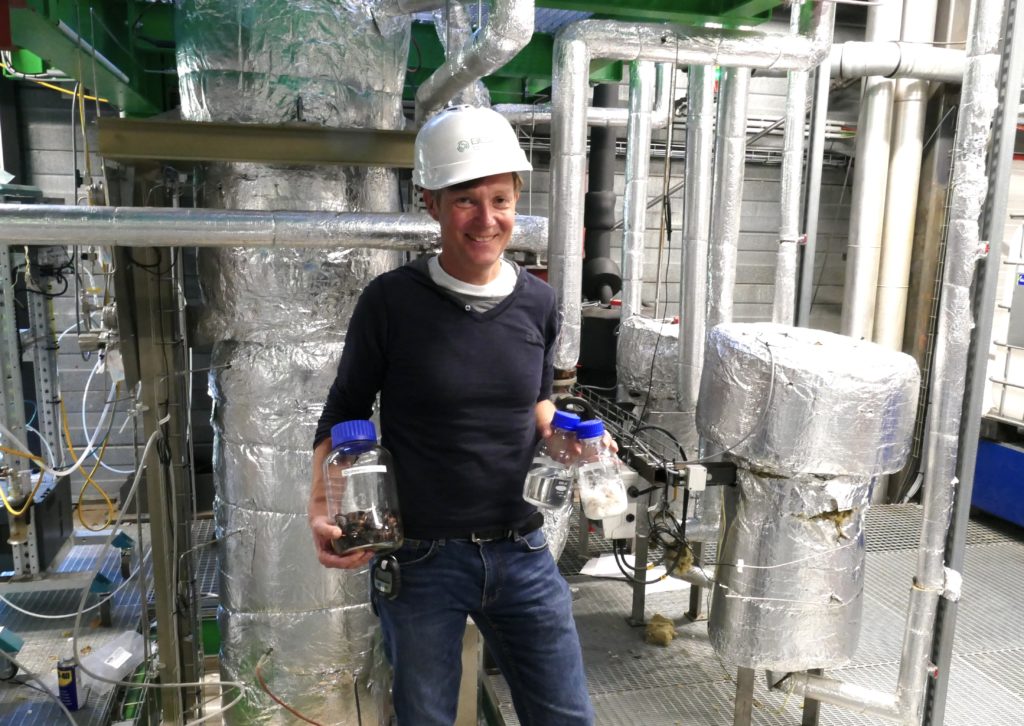
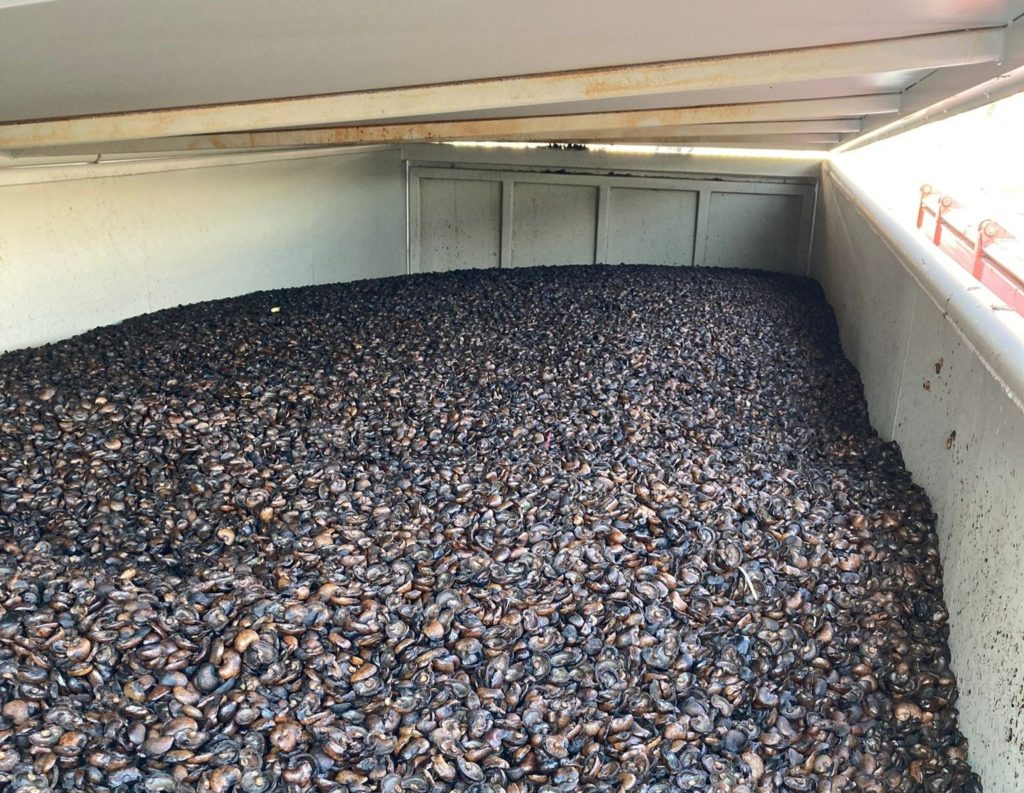
The experiment took place at a plant for the biomass-to-liquid (BtL) process, built by Bioenergy and Sustainable Technologies GmbH (BEST) in Vienna. The feedstock for the experiment consisted of cashew shells from Ivory Coast, supplied by atmosfair’s subsidiary Solarbelt gGmbH. In this West African country, processing cashew nuts produces large quantities of shells that have not previously been put to use.
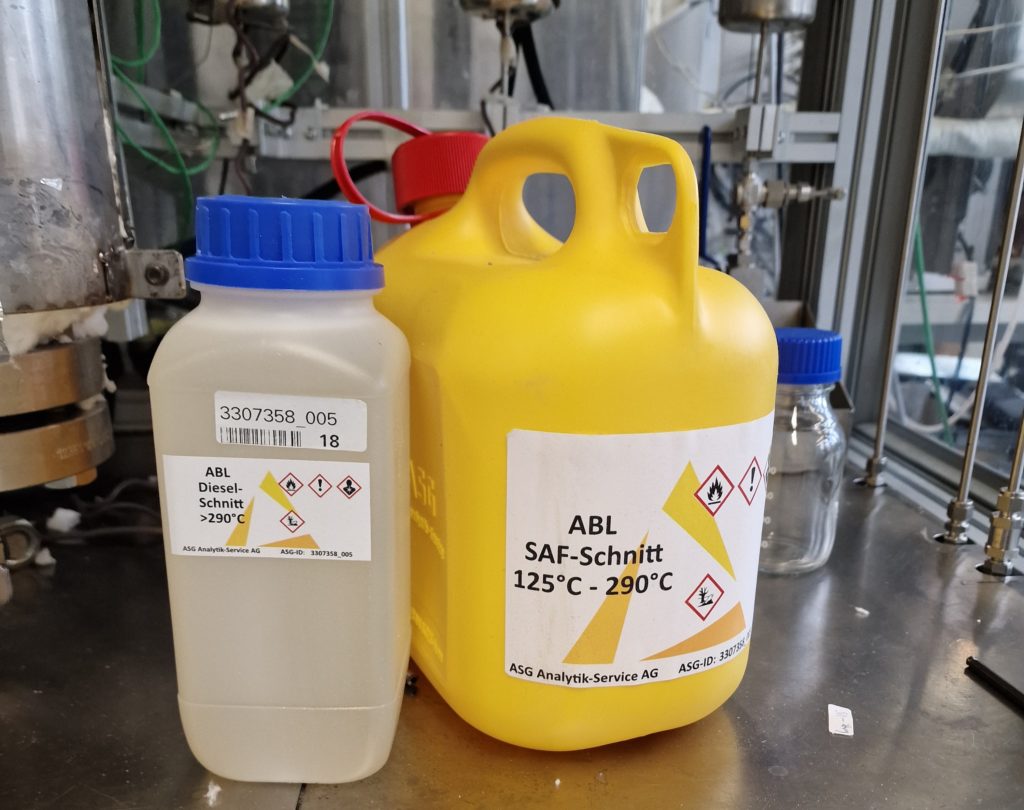
Using the BtL process, BEST gasified the woody shells at its Syngas Platform Vienna and subsequently produced crude oil and waxes via Fischer–Tropsch synthesis. The Engler-Bunte Institute (EBI) then used these to produce aviation fuel. According to an analysis recently published by BEST, this fuel meets all the necessary requirements for use in aviation. It can be blended with fossil kerosene while burning in a CO₂-neutral manner.
New fuels aim to decarbonise aviation
So-called “sustainable aviation fuels” (SAF) are currently the only way to decarbonise aviation and make it more climate-compatible. So far, however, only SAF derived from fats (Hydroprocessed Esters and Fatty Acids, HEFA) is being produced in significant quantities – around two million tonnes in 2025. The total amount of waste fats, for which no energy crops need to be grown, is limited.
This makes it all more important to develop additional SAF technologies that also benefit countries in the Global South. This is particularly important to atmosfair. The potential for BtL production from residual biomass is vast: for instance, an atmosfair study demonstrated that around 400 million tonnes of environmentally and socially compatible, readily available residual biomass is generated each year in countries of the Global South.
Woody residual biomass accounts for 250 million tonnes of this total, which could currently cover just under 10 per cent of global kerosene demand. Now that technical feasibility has been demonstrated, it is up to investors and companies to scale up BtL production and produce CO₂-neutral kerosene in larger quantities.
 Share
Share