

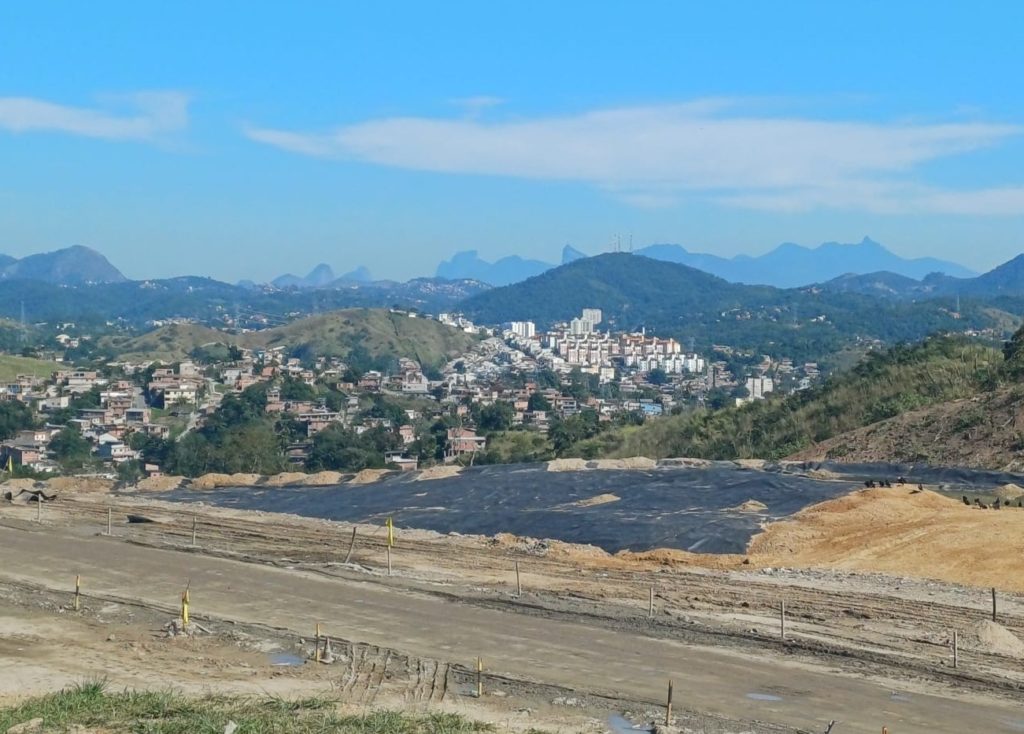
Deep within a landfill on the outskirts of the metropolis of Rio de Janeiro, large quantities of methane are being formed. The waste recovery company Orizon is capturing and valorising this climate-harming gas. Initially flaring all the captured landfill gas, the project is today using it to generate electricity that is feeding the Brazilian grid. Through our partnership with Orizon, we support this technological upgrade and ambition to go even one step further in valorising the use of this methane – and produce biomethane for the transport sector, for example.
During a visit to the town of São Gonçalo, atmosfair project analyst Ana Carvalho inspected together with the Orizon team how methane is being captured at numerous points across the landfill and channelled through pipes to a central collection point. Next to the waste disposal facility, six generator units have been installed and connected to the Brazilian electricity grid following a three-year approval process. They combust the methane to generate electricity with a total output of 8.4 MW. This can supply 30,000 residences with clean electrical energy.
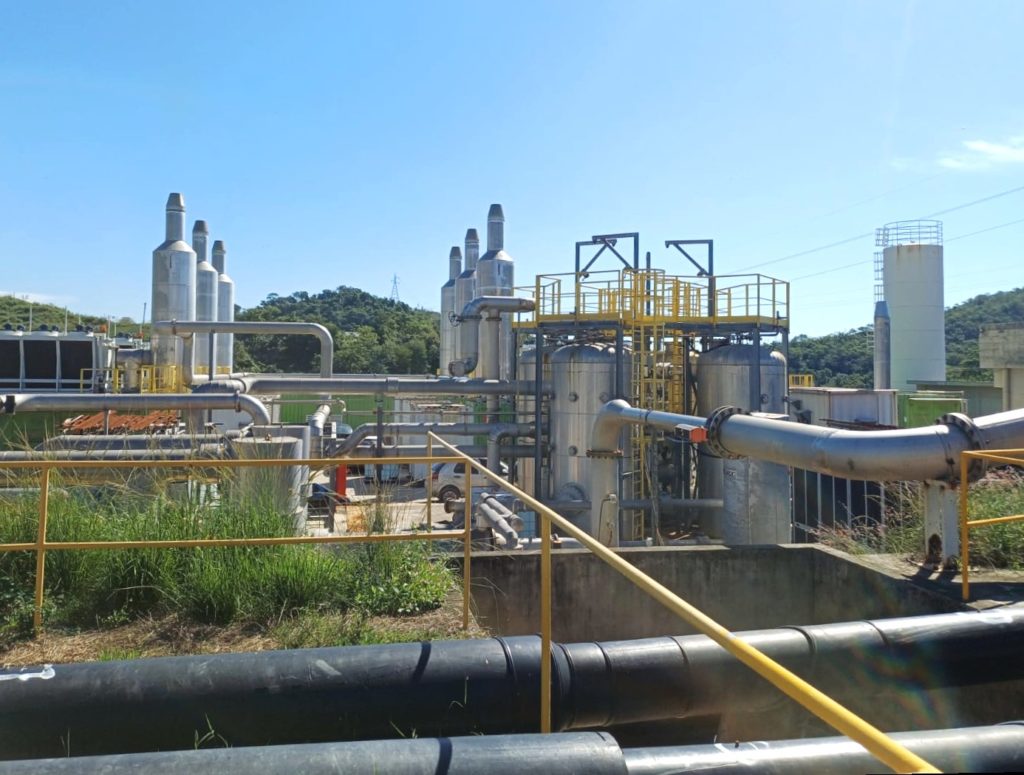
CO₂-neutral electricity and fuel for vehicles
The São Gonçalo landfill gas utilisation project saves up to 465,000 tonnes of CO₂ equivalents each year. This reflects the climate impact of methane if it were to escape into the atmosphere instead of being used to generate electricity – which is supported by atmosfair. This type of energy generation is not yet widespread in Brazil, making the plant a role model.
Green electricity is not the only thing that can be produced from methane. In the medium term, with our support through the purchase of carbon credits, Orizon aims to increase its climate ambition by exploring alternative uses of the excess captured methane by compressing it and using it as fuel for cars, buses, lorries, or ships. The fuel could be used to replace fossil diesel as well as ethanol derived from sugar cane. The gas generated at the landfill can be converted into carbon-neutral aviation fuel using innovative, though highly complex, processes. The many technological steps required to achieve this still represent largely uncharted territory, making it difficult at present to secure financing for such projects on the capital markets. atmosfair’s support and its cooperation with Orizon are therefore particularly important in helping advance the implementation of these promising technological pathways.
 Share
Share