

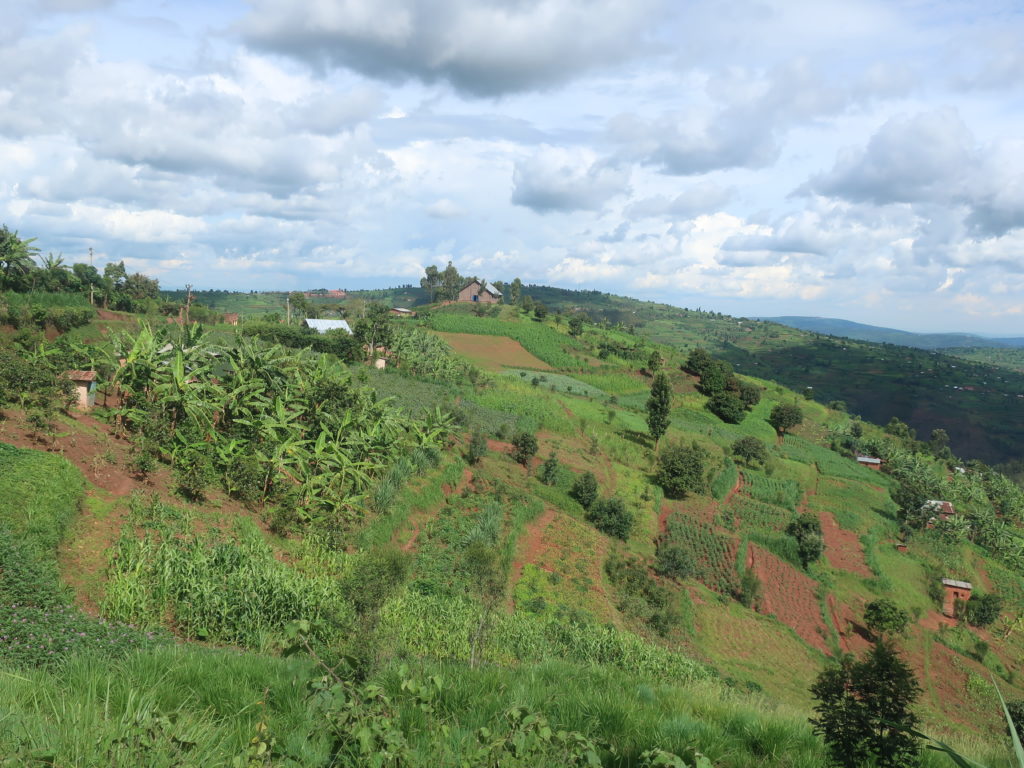
It is a rainy day in Musanze in northern Rwanda. Wafts of mist hang between the green hills as Angelique walks to the local market with a basket full of tomatoes and beans.
She sells her vegetables to supplement her family’s income. With the money she earns, she buys unga, a cornmeal, which she will later use to cook ugali – a thick corn porridge that is served daily in many households. Cooking for the family is part of her daily routine and takes up a lot of time. But today is a special day: visitors from Germany have announced their arrival.
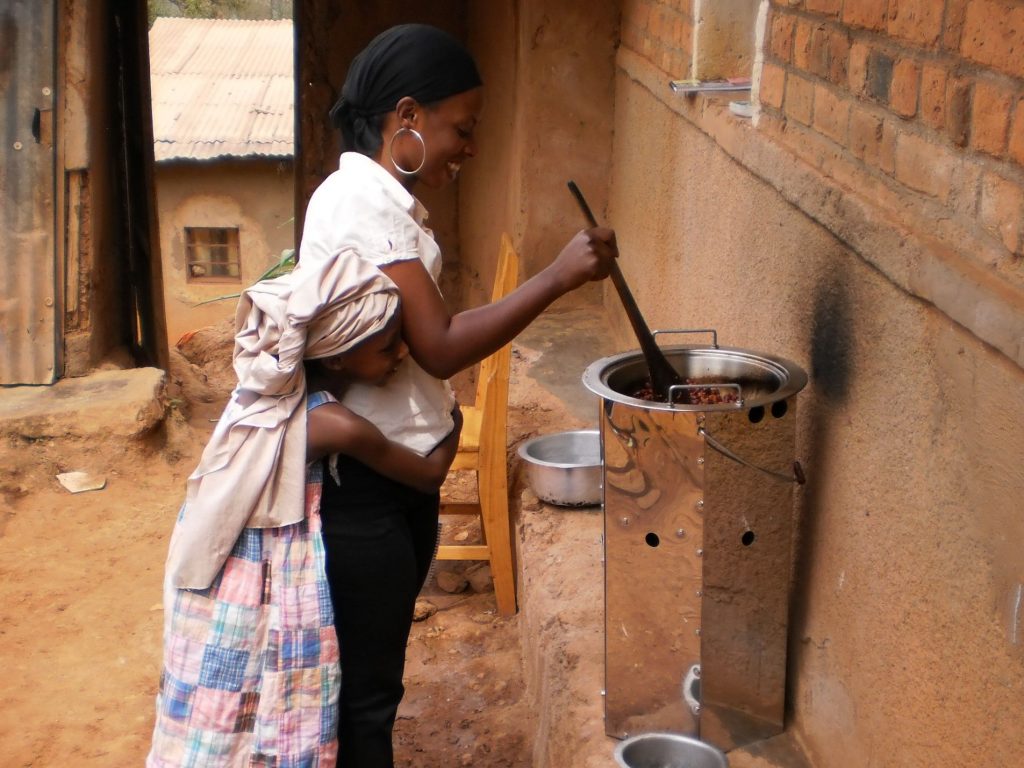
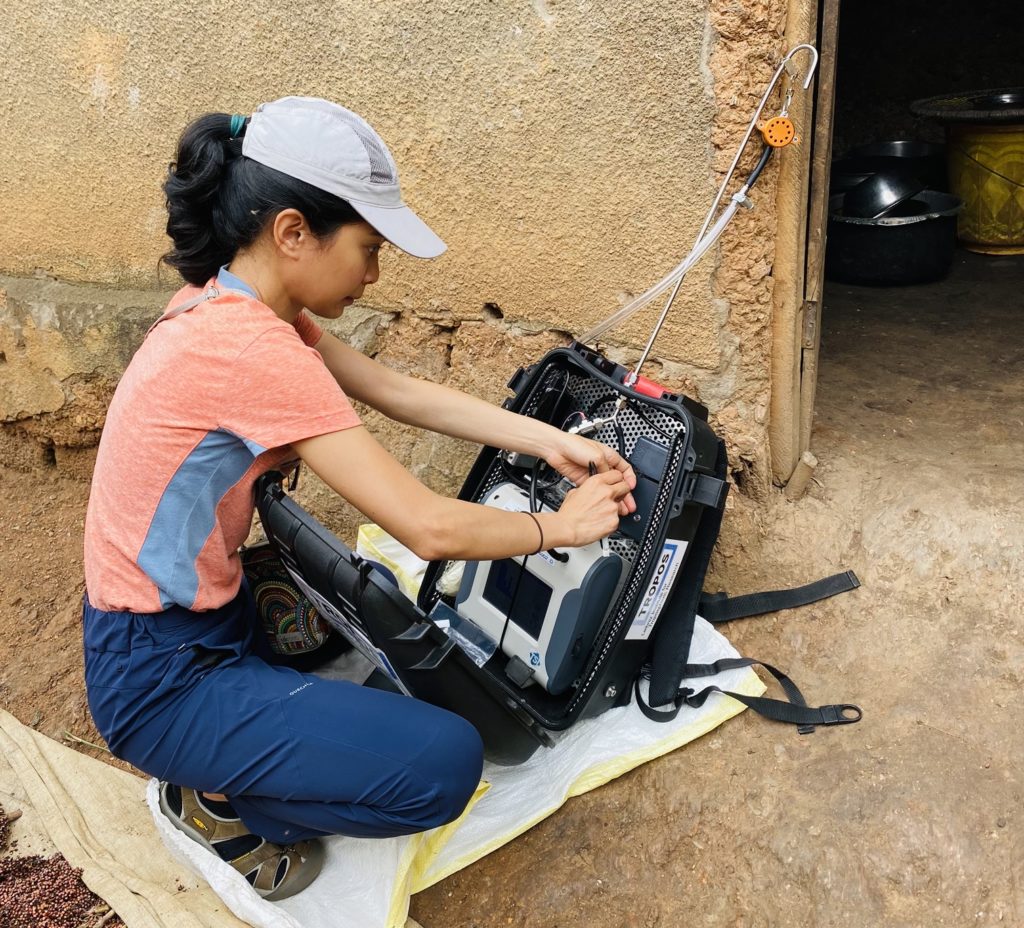
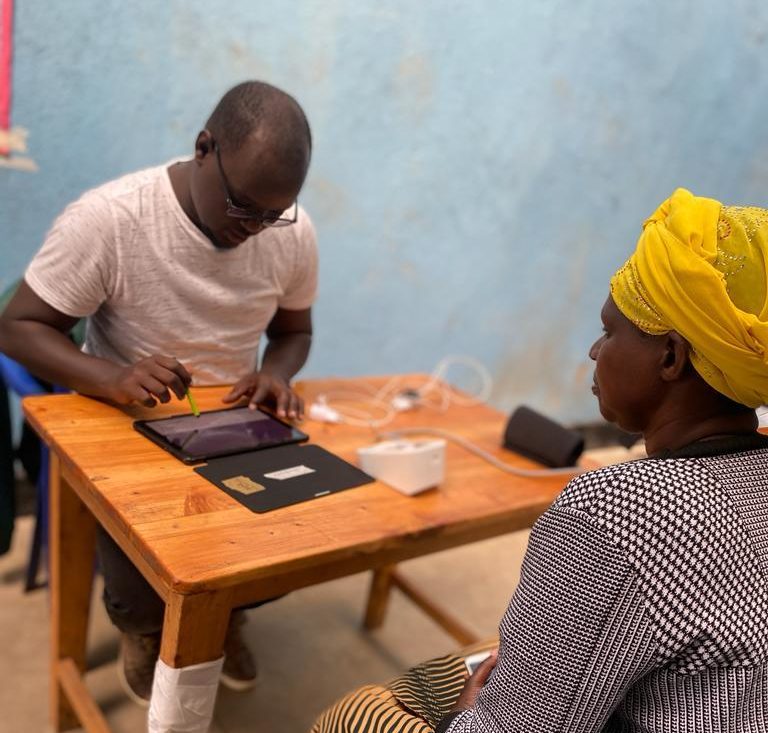
After Angelique has finished everything, she heads back home where she meets with Andrea Cuesta-Mosquera from the Leibniz Institute for Tropospheric Research (TROPOS). It’s Cuesta-Mosquera’s first of 40 visits, which were carefully planned and organised with the help of female community leaders from local agricultural cooperatives. While Angelique fetches water and gets the wood ready, Cuesta-Mosquera sets up her measuring equipment. She will measure the fine particulate matter produced during cooking when wood is burnt. Earlier, another team from the NGO Safer Rwanda, led by Dr Henning Kothe from Buana e.V., carried out a spirometry test to assess Angelique’s lung function. During her health exam, Angelique also completed a questionnaire to assess the prevalence of respiratory symptoms. The aim is to find out whether the air quality and Angelique’s health have improved since she stopped cooking on an open fire and started using an efficient Save 80 stove from atmosfair.
Six months before, Angelique decided to try out the new stove – a decision that was initially motivated by practical reasons. The Save 80 uses significantly less firewood, saving her both time and money as she no longer has to buy wood at the market or collect it herself in the forest. But after just a short time, she noticed other changes: there was less smoke in the kitchen, her eyes hardly ever burned, and she coughed less often. “I often used to struggle to breathe in the evenings,” she explains. “It feels easier to breathe now.” Cuesta-Mosquera now wants to confirm this subjective impression with scientific data.
1,000 participants in the study
Angelique is one of over a thousand adults taking part in a three-year field study in rural areas of Rwanda. The study compares households using traditional cooking stoves with those using the Save 80 stove. The researchers are conducting two comprehensive assessments of the participants using health questionnaires, clinical tests and lung function measurements. At the same time, the research team is using portable monitoring devices to measure exposure to particulate matter (PM2.5), soot and polycyclic aromatic hydrocarbons.
Thanks to its special design, the Save 80 stove reduces wood consumption by around 80% compared with traditional cooking methods. It therefore makes an important contribution to climate change mitigation: In 2024 alone, 150,000 stoves in Rwanda saved around 390,000 tonnes of CO₂. This is equivalent to the annual carbon footprint of a medium-sized German district town 50,000 inhabitants.
In cooperation with local businesses, atmosfair – a climate organisation – has long been committed to introducing efficient cooking technologies in sub-Saharan Africa. It operates its own production facilities and distribution networks in Nigeria and Rwanda, creating jobs in the process.
The evaluation reveals clear results
In households with efficient stoves, the concentration of particulate matter fell by an average of 77%. Soot levels decreased by up to 50%, while brown carbon concentrations fell by as much as 78%. These substances are considered particularly harmful to human health because they can penetrate deep into the lungs and contribute to chronic respiratory diseases.
The health data confirms these findings. People who use the Save 80 stoves report fewer respiratory symptoms such as persistent coughing, congestion and shortness of breath. Their lung function also improved over time. “Our findings underscore that clean cooking has a significant impact – particularly for women, who are traditionally responsible for cooking and therefore suffer most from this form of air pollution,” explains Andrea Cuesta-Mosquera. For many participants, exposure to pollutants is highest while cooking.
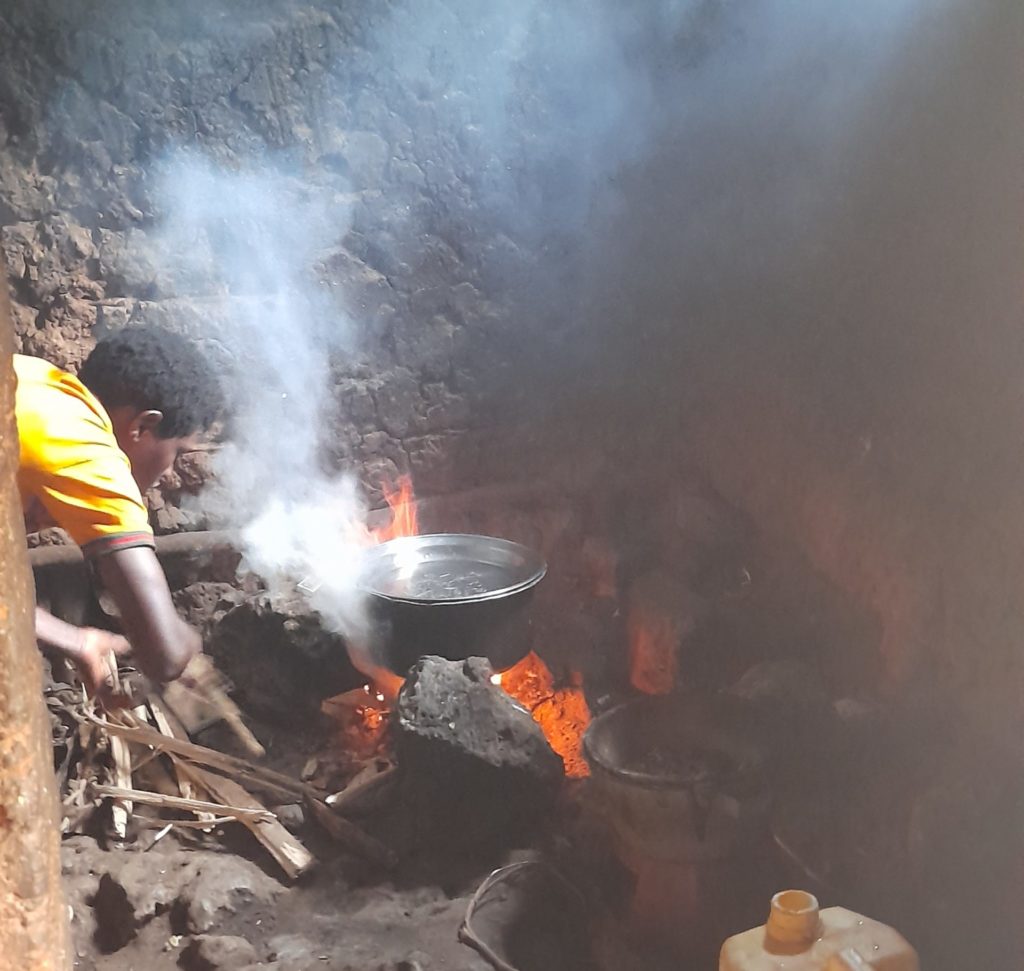
The study thus highlights an often underestimated health risk. Worldwide, around 2.3 billion people use open fires or inefficient stoves for cooking. The resulting smoke contains high concentrations of particles that are harmful to health. According to international estimates, this indoor air pollution contributes significantly to respiratory diseases, cardiovascular problems and premature deaths – particularly among women and children who spend long periods near the cooking fires. “Air pollution is a silent killer in many low-income households,” says Dr Henning Kothe of Buana e.V., who oversaw the health assessment for the project. “Its effects are insidious and long-lasting.”
The benefits extend beyond health to include social and economic improvements. Because less wood is needed, women like Angelique spend less time collecting firewood and have more time to grow other crops, spend time with their children or take on odd jobs. Her story shows how technological innovations not only mitigate climate change but also improve people’s quality of life.
The study, entitled “Health effects of better cookstoves: a long-term assessment”, was carried out by TROPOS in collaboration with Buana e.V., supported by atmosfair and its local partner SaferRwanda. A total of 1,000 people took part in the study, 87% of them women. The journal Nature Scientific Reports published the study in July 2025. You can find it here.
 Share
Share